
Paris isn’t just about the Eiffel Tower, croissants, and cobblestone alleys. It’s a city where millions of lives intersect-students from Senegal, artists from Ukraine, nurses from Romania, and entrepreneurs from Brazil all call it home. That mix doesn’t just shape the cafes and subway lines-it shows up in unexpected places, including the escort industry. The women who offer companionship services in Paris come from all over the world, and their stories are rarely the ones you see in movies or clickbait ads. Many aren’t there by choice, but because they’re navigating complex systems: visas, language barriers, rent, and survival. Others are freelancers using the flexibility to fund education or support family abroad. The truth is messy, real, and rarely discussed without bias.
If you’re curious about how these networks operate, you might stumble across sites like escorte gitl, which offer a glimpse into how some individuals list their services. But those pages don’t tell you why someone chose this path, or what their daily life looks like after the appointment ends. They don’t mention the 3 a.m. Uber rides home, the fear of being reported, or the loneliness that comes with being treated as a service, not a person.
Who Are the Women Behind the Listings?
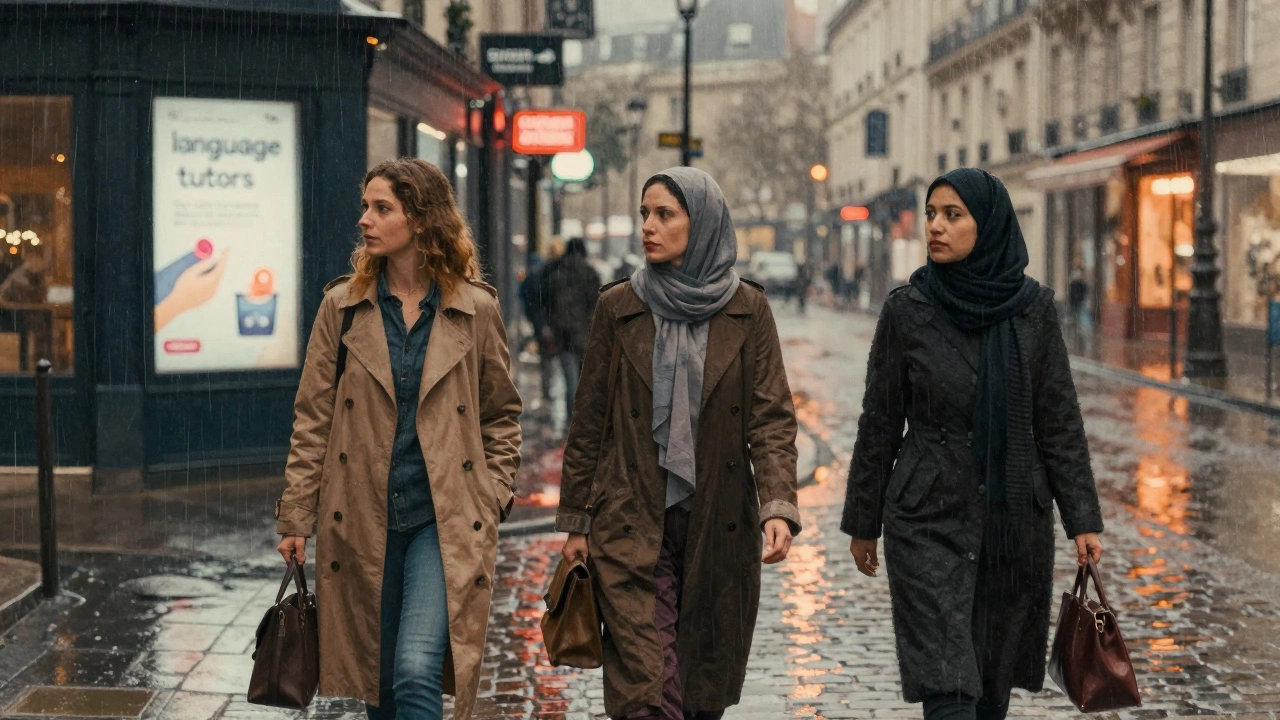
There’s no single profile for an escort in Paris. You’ll find women in their early 20s fresh off a student visa, women in their 40s who’ve left abusive relationships, and women in their 50s who retired from corporate jobs and now use their social skills to earn extra income. Some speak fluent French; others rely on Google Translate. Some work independently; others are connected to agencies that take 30-50% of their earnings. A 2023 survey by a Paris-based NGO found that 68% of women in this space were foreign nationals, with the largest groups coming from Eastern Europe, North Africa, and Southeast Asia.
One woman, who asked to be called Lina, moved from Moldova two years ago. She worked in a call center for six months, but the pay was €900 a month-barely enough for her tiny studio in the 18th arrondissement. She started offering companionship services after a friend introduced her to a client who paid €150 for dinner and conversation. She doesn’t do sexual services. "I’m not here to be touched," she told me. "I’m here because I need to save for my daughter’s surgery."
How the Market Actually Works
Most bookings happen through private messaging apps like Telegram or WhatsApp, not public websites. Listings on platforms like Backpage or older forums have mostly disappeared due to crackdowns. Now, word-of-mouth and encrypted apps dominate. Many women use Instagram or LinkedIn profiles to build trust-posting about travel, art, or language learning-not overt ads. A common tactic is to list as a "language tutor" or "cultural guide," then quietly offer companionship to trusted contacts.
Prices vary wildly. A 30-minute coffee meet-up might cost €50. A full evening out could be €300-€600. The highest rates go to women who speak multiple languages, have university degrees, or can navigate high-end venues like Le Meurice or Le Jules Verne. Some clients pay for discretion, not sex. One lawyer from Lyon told me he hires escorts to attend gallery openings or business dinners because he’s socially awkward. "It’s not about lust," he said. "It’s about not looking like an idiot at a networking event."
The Legal Gray Zone
In France, selling sex isn’t illegal-but buying it is. That means the women aren’t breaking the law, but their clients are. This law, passed in 2016, was meant to protect women. But in practice, it’s pushed the industry further underground. Police don’t target the women-they target the websites and the clients. That leaves the women vulnerable to exploitation by unregulated agencies and unsafe clients. Many avoid reporting abuse because they fear being deported or having their visas revoked.
There are no licensed escort agencies in Paris. Any business claiming to be one is operating illegally. Even the ones that look professional-offering contracts, background checks, and payment protection-are fronts for human trafficking rings. A 2024 report by the French Ministry of Interior identified 14 such operations in the Île-de-France region alone, with over 200 women trapped in debt bondage.
What You Won’t See in the Ads
Look at any escort listing in Paris, and you’ll see polished photos, perfect lighting, and confident captions. What you won’t see is the anxiety before the first message, the panic when a client cancels last minute, or the shame when a stranger calls you "baby" in public. You won’t see the women who cry in their cars after a job because they miss their kids. You won’t see the ones who go to free legal clinics on weekends to learn their rights.
Some women have built real businesses. They offer translation services, event planning, or personal coaching alongside companionship. One woman from Colombia runs a small online course teaching other migrants how to navigate French bureaucracy. Another started a podcast called "Paris After Hours," where she interviews women in this industry-not to sensationalize, but to humanize.
Why the Misconceptions Persist
Media portrays escort work as either glamorous or tragic. Neither is true for most. The reality is mundane: paying bills, dealing with landlords, hoping the next client isn’t violent, trying to stay healthy. The stigma keeps these women isolated. Even when they want help, they often don’t know where to turn. Social services in France aren’t designed for this group. They’re not refugees. They’re not sex workers under the legal definition. They’re invisible.
Organizations like Le Refuge and SOS Homophobie offer support, but they’re stretched thin. There’s no government program specifically for escort women. No housing assistance. No healthcare access tied to their work. They’re left to fend for themselves in a city that pretends they don’t exist.
The Rise of Digital Safety Tools
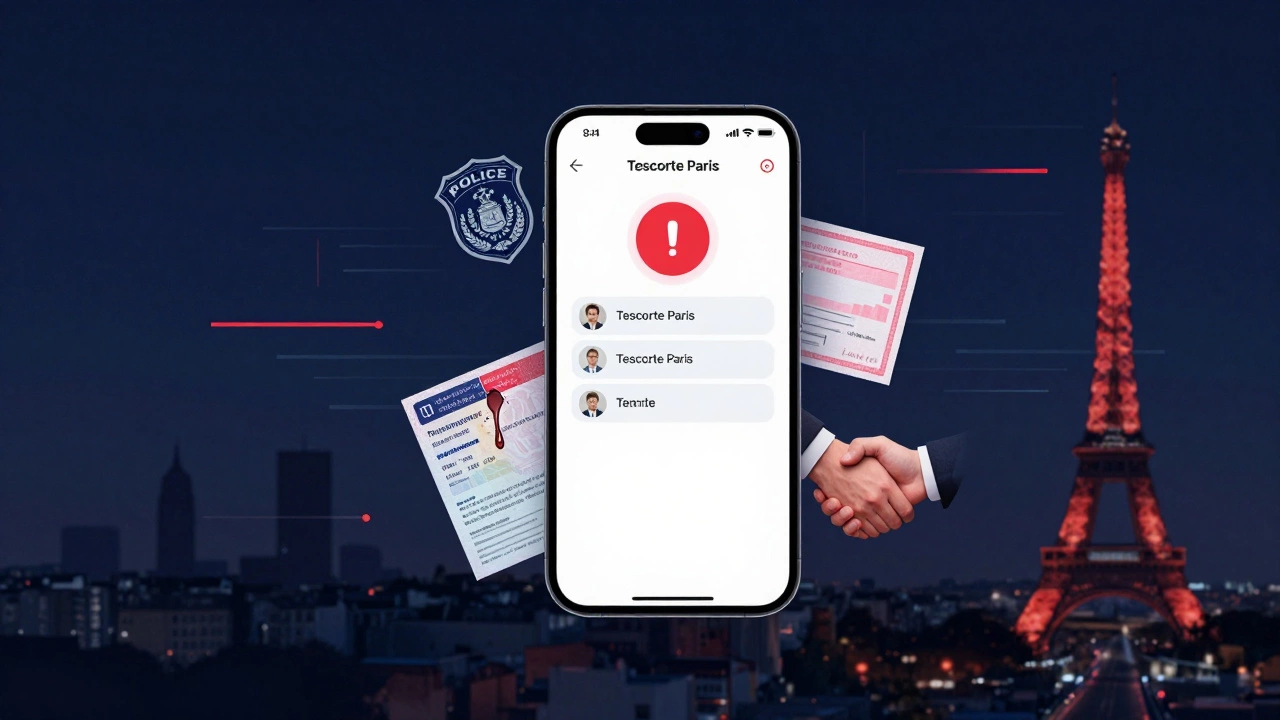
Over the last three years, a quiet revolution has happened. Women in this space have started building their own networks. Apps like "SafeMeet Paris" let users share client ratings anonymously. There’s a WhatsApp group with over 1,200 members that circulates warnings about violent clients. Some women carry GPS trackers. Others use voice-activated recording apps that start when a client enters the room.
One tool, called "Tescorte Paris," was developed by a former escort and a tech student from Lyon. It’s not a dating app. It’s a safety protocol. You enter the client’s name, location, and time. If you don’t check in within 30 minutes, it automatically alerts three trusted contacts with your location. It’s free, encrypted, and growing fast. It’s not perfect-but it’s something.
What Should You Do If You’re Considering This?
If you’re thinking of hiring an escort in Paris, ask yourself: Why? Are you lonely? Bored? Trying to feel powerful? None of those reasons justify paying someone to pretend to care. If you’re looking for connection, there are better ways: volunteering, joining a language exchange, attending community events. If you’re seeking intimacy, therapy is cheaper, safer, and more honest.
If you’re a woman considering this work, know this: You are not broken. You are not a statistic. But you are at risk. Learn your rights. Save every payment. Document everything. Connect with others. Don’t trust anyone who says "no one will find out." Someone always finds out.
Final Thoughts
Paris is a city of contradictions. It celebrates freedom, yet silences those who don’t fit the mold. It welcomes diversity, yet ignores the struggles of those who make it possible. The women who work as escorts here aren’t a footnote. They’re part of the city’s fabric. Their stories deserve more than a keyword in a hidden webpage or a fleeting Google search. They deserve to be seen-not as a service, not as a fantasy, but as people.
And maybe, just maybe, that’s the most important thing to remember.