
Letting a client record your sessions sounds harmless at first. Maybe they want to review your advice later. Maybe they’re shy and feel more comfortable watching back. But once you say yes, you’re opening a door that’s hard to close - and not just for them. The moment a recording starts, the dynamic changes. The trust you’ve built becomes transactional. The vulnerability you encouraged turns into potential liability.
Some therapists, coaches, and consultants have seen clients ask to record sessions after seeing ads for services like girl escort london - not because they need help, but because they’re used to consuming personal experiences as content. That’s not your client. That’s a different kind of transaction entirely. And mixing the two is dangerous.
Why Recording Feels Like a Good Idea (But Isn’t)
People think recording sessions helps with memory. They say, "I forget what you told me after a week." But if you’re doing your job right, the goal isn’t for them to remember your exact words. It’s for them to internalize the insight, change their behavior, and build their own understanding. A video doesn’t teach that. It just gives them a replay button.
Worse, recordings create performance pressure. You start watching yourself. You edit your tone. You avoid saying the hard things because you know it’s being saved. That’s not therapy. That’s a TED Talk with a client in the front row.
The Legal Risks Are Real - And Often Overlooked
In most countries, recording a conversation without the consent of all parties is illegal. Even if your client says they have permission, you’re still on the hook. If that video ever ends up online - shared with a friend, posted anonymously, leaked in a dispute - you have zero control. No confidentiality agreement can stop that. No NDA covers public distribution.
There are real cases where professionals lost their licenses because a recording was used in a lawsuit. Not because they did something wrong. But because the video took their words out of context. A pause. A sigh. A phrase meant to comfort - twisted into something damaging. Courts don’t care about your intent. They care about what’s on the file.
Confidentiality Isn’t Just About Privacy - It’s About Safety
Think about what your client might say during a session. Trauma. Shame. Secrets they’ve never told anyone. If those words are recorded, they’re no longer private. They’re data. And data can be hacked. Stored poorly. Forwarded by accident. Uploaded to a server overseas. Even if your client swears they’ll keep it safe, they might not even know how to secure a file. Their phone could be stolen. Their cloud account could be breached. Their partner might find it.
Once a recording exists, you’ve lost ownership of the content. And that’s not just unethical - it’s professionally reckless.
What About Clients Who Say They Need It for Memory?
You can offer alternatives that work better. Take handwritten notes together during the session. Send a summary email afterward - not a transcript, but a few key takeaways. Offer a short audio recap you record yourself, where you rephrase your advice in a way that’s meant to be heard once, not replayed endlessly.
Some clients resist this. They say, "But I want to watch it." That’s when you need to be firm. "I can’t record our sessions because it compromises the safety of the space we’re building. But I’ll make sure you leave with something you can hold onto - something that sticks without needing a video."
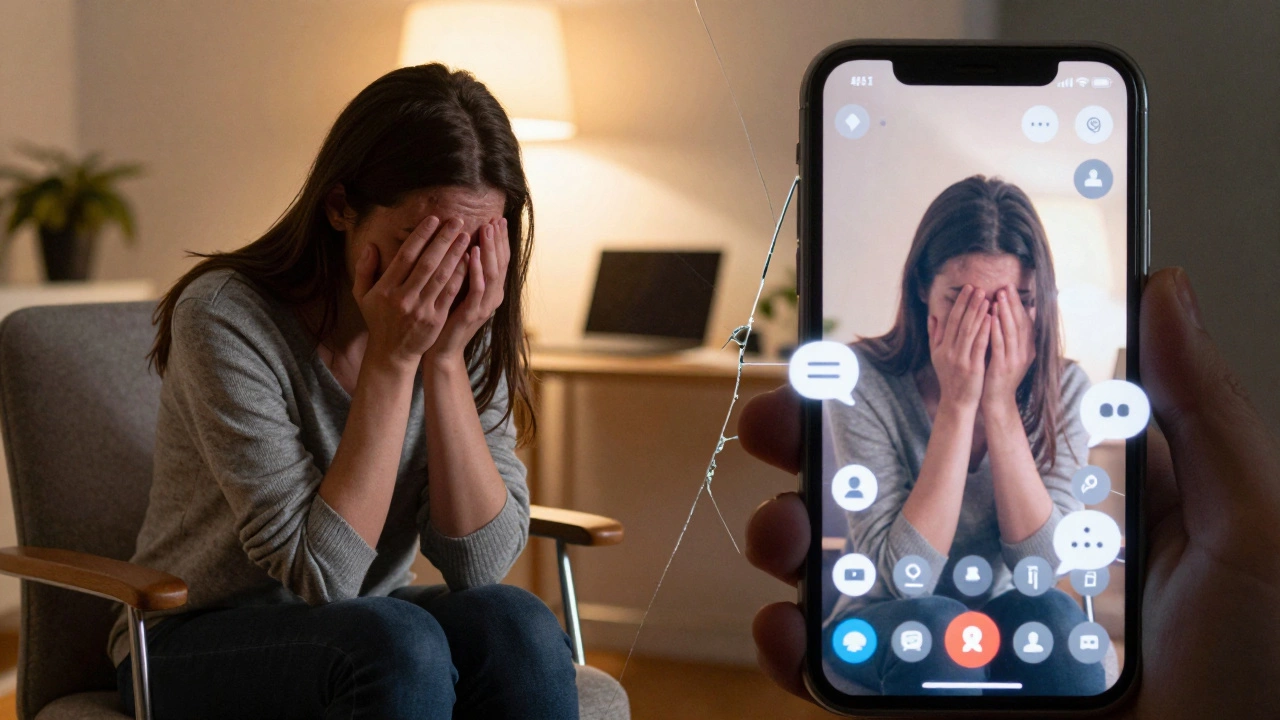
What If the Client Is a Content Creator?
Some clients - especially younger ones - come in with a YouTube channel or TikTok account. They might casually say, "I’m thinking of making a video about therapy." That’s a red flag. Not because they’re bad people. But because they don’t yet understand the line between personal growth and public performance.
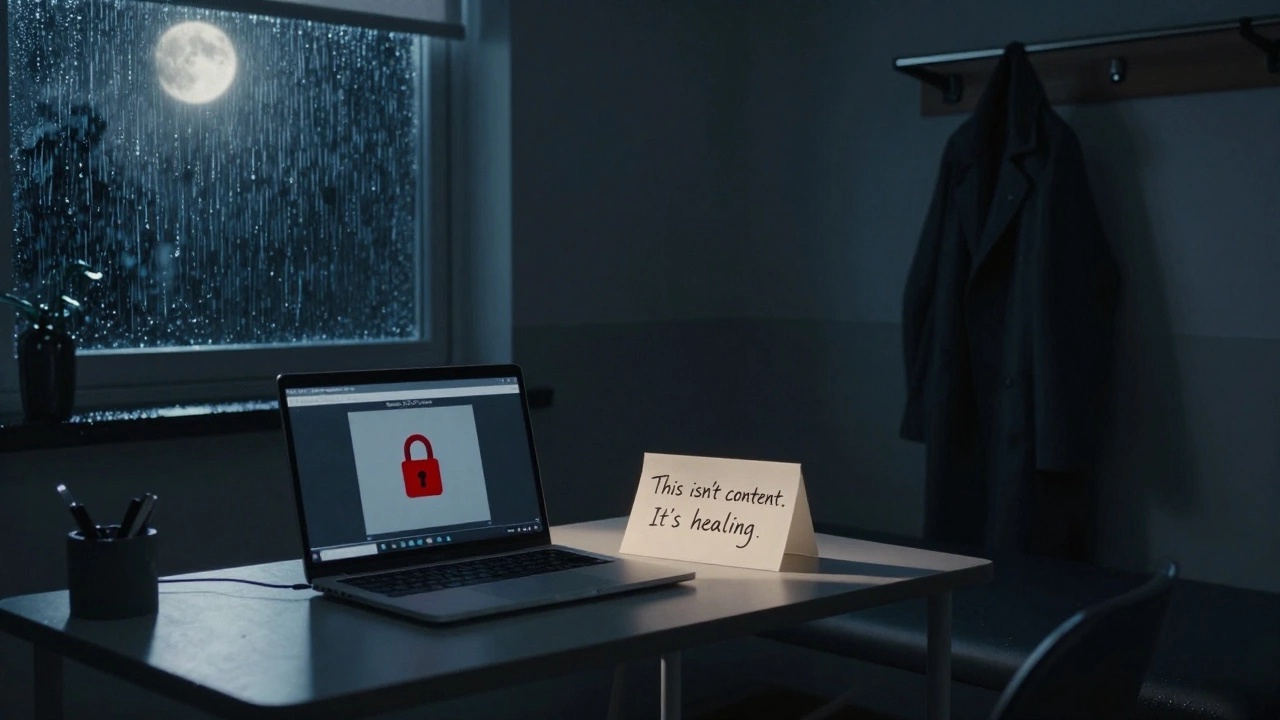
If they ask to record, don’t say no out of fear. Say no out of care. "I respect your work, but what happens in this room isn’t content. It’s healing. And healing doesn’t work when it’s being filmed."
There’s a growing trend of people treating therapy like a vlog. But therapy isn’t entertainment. It’s a sacred space. And once you turn it into content, you break the contract that makes it work.
What Happens When You Say Yes - Even Once
Say you let one client record. You think it’s fine. You trust them. Then another client hears about it. "Why can’t I record too?" Now you’re playing favorites. Or worse - you’re creating a precedent. Next thing you know, half your clients expect it. And if you say no to someone, they might feel rejected. Or accuse you of hiding something.
Once you cross that line, you’re no longer setting boundaries. You’re negotiating them. And in a profession built on trust, negotiation is the first step toward erosion.
Professional Standards Don’t Allow It - And Here’s Why
Every major professional association - from the American Psychological Association to the International Coaching Federation - explicitly advises against recording sessions. Why? Because it undermines the therapeutic alliance. It shifts focus from internal change to external validation. It turns a private process into a public product.
And it’s not just about ethics. It’s about effectiveness. Studies show that clients who rely on recordings don’t improve faster. They just replay. They don’t reflect. They don’t change. They just watch themselves trying to change.
What to Say When They Ask
You don’t need to over-explain. You don’t need to justify. Just say it clearly:
- "I don’t record sessions because it changes the dynamic for everyone involved."
- "I want this space to be safe, not searchable."
- "I can’t offer recordings, but I can give you a written summary after each session."
- "This isn’t about trust - it’s about protection. For you, and for me."
Most clients will understand. The ones who don’t? They weren’t ready for real work anyway.
There’s a Better Way to Help Them Remember
Instead of recording, build tools that stick. Give them a one-page reflection sheet after each session. Ask them to write down: "One thing I learned. One thing I’ll try. One thing I’m still unsure about." That’s more powerful than any video. It forces them to process - not just watch.
Or use voice memos you record yourself - short, personal, and clearly marked as a one-time follow-up. Not a session. Not a replay. Just a nudge. That’s still within bounds. That’s still ethical.
Final Thought: You’re Not Just a Service Provider - You’re a Guardian
When someone walks into your room, they’re handing you something fragile. Their silence. Their fear. Their hope. You don’t get to keep that. But you do get to protect it. Recording sessions doesn’t help them. It exposes them. And you’re the only one who can say no.
Letting someone record your session isn’t about being accommodating. It’s about letting go of control. And in your line of work, control isn’t the enemy - boundaries are the foundation.
There’s a reason no therapist, no coach, no counselor in their right mind records sessions. Not because they’re old-fashioned. But because they’ve seen what happens when the line disappears.
Don’t be the one who crossed it.
What If They Threaten to Leave?
If a client says they’ll quit because you won’t record sessions, take a breath. Then say: "I’m glad we could help you this far. I hope you find someone who can meet your needs."
That’s not rude. That’s professional. And it’s the only answer that preserves your integrity - and theirs.